For a successful construction or renovation project, assess your site's characteristics and comply with local regulations. Set a clear budget, prioritise goals like healthy air quality, and assemble a capable team of professionals and contractors. This approach ensures efficient and compliant execution while meeting your specific needs.
THE HAVEN FRAMEWORK
The 7 Foundations
of a Healthy Home.
Every healthy space, from a nursery to a commercial fitout, rests on seven measurable foundations. This is the framework behind every Haven consultation.
What makes a home...healthy?
By now, we've all heard the statistic that we spend about 90% of our time indoors, with the majority of that time spent in our homes. Taking a holistic approach to the design & building process can help achieve healthy, sustainable and successful outcomes that enhance the health and well-being of the occupants.
Healthy home design can enhance our health, mood, and sleep. It goes beyond non-toxic building materials, clean construction practices and chemical-free finishes and furniture. It incorporates our basic human need for natural light exposure, fresh, clean air, purified water and a quiet and peaceful environment.
Taking a holistic approach to the building process has become our way of reaching a positive and wellness-focused design outcome. Ensuring you have a team of wellness experts that support the holistic design & construction approach ensures an aligned goal is realised.
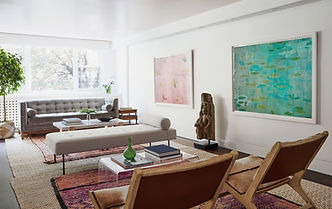
90% of our lives are spent indoors
Indoor air is 2 to 5× more polluted
Almost none of it is regulated
01

SITE LOCATION
Where you build shapes everything that follows.
Most people never consider the site itself as a health factor. Yet orientation, prevailing winds, and proximity to busy roads, powerlines, industry and flood-prone land all have measurable impacts on the people inside, before a single material is chosen. Site is the one foundation you cannot change later, which is why it comes first.
02

AIR: QUALITY, PURIFICATION & VENTILATION
The air inside is often dirtier than the air outside.
Improve overall air quality by incorporating whole-home ventilation systems like ERVs or HRVs. Ensure proper ducted, mechanical ventilation in bathrooms. Optimise architectural design for passive heating and cooling, favour health-conscious materials and mitigate pollution by isolating or ventilating garages strategically.
03

WATER: FILTRATION & MOISTURE
What's in your water isn't always on the label.
Prioritise water quality by conducting a pre-purchase water test or testing as soon as possible to identify contaminants. Install water filtration systems, preferably a whole-home system, for clean and healthy water throughout the entire household. In-home design emphasises effective moisture management through permeable vapour barriers, well-planned bathroom ventilation, and other considerations to ensure optimal control of moisture within the home.
04

LIGHTING
Light tells your body when to sleep, and when to wake.
Maximise natural illumination by exposing yourself to morning sunlight before using artificial lighting. Opt for circadian-friendly lighting, with warm tones in the evening and bright, white light during the day. Strategically place key living spaces on the north side for continuous natural light, while positioning bedrooms facing east for morning sun exposure and passive heating in winter. Implement shading solutions to prevent overheating in the summer.
05

COMFORT: THERMAL, ACOUSTIC & OLFACTORY
Comfort is physiological, not a luxury.
Prioritise balanced temperatures for optimal productivity while working from home by investing in effective insulation, efficient HVAC systems, and access to natural ventilation. Foster a peaceful and focused atmosphere by designing spaces with sound insulation, minimising noise sources, and creating a serene acoustic environment. Consider the impact of odours on comfort and well-being; manage and minimise odours through proper ventilation, elimination of synthetic fragrances, and use of non-toxic materials to create a pleasant and enjoyable home environment.
06

EMF
Distance is your simplest, cheapest tool.
Reduce EMF exposure by keeping electronic devices away during sleep, using wired connections, avoiding direct contact with wireless devices, and positioning beds and seating away from high EMF sources. Create low-EMF zones in the home, use shielding materials, and employ EMF-reducing devices to foster a healthier living environment with minimised electromagnetic field exposure.
07

NON-TOXIC MATERIALS
Every finish, fabric and fitting is off-gassing something.
Prioritise health by choosing materials low in VOCs, free from harmful substances, and made from non-toxic ingredients. Research and inquire with manufacturers to ensure your selections align with health-conscious standards. During construction, maintain adequate ventilation, use air scrubbers during painting, and run HEPA air filters to enhance air quality. Additionally, avoid toxic chemicals in cleaning and beauty products for a safer living environment and improved overall health for you and your loved ones.